
Your HVAC repair Washington system runs 24/7 to keep your DC home comfortable year-round, even in hot and cold weather. The secret of preventing a massive failure is to identify warning signs in time.
Unusual Noises Mean You Need HVAC Repair.
Normal HVAC hum must be silent. When something bangs, grinds, squeals, or rattles, you know something is wrong. Worn bearings in the motor are frequently an indication of grinding. Belt problems are normally indicated by squealing. Banging can portray loose or broken internal components.
Difficulty or Problems with her airflow throughout your house.
Walk through each room. One of them is cold, and another one is hot? This may be due to duct leaks, a malfunctioning blower motor, or a blocked air filter, all of which hinder circulation.
The climate in DC does not allow any inconsistent heating or cooling, which is not only uncomfortable but also increases the energy bills and makes the system work harder.
Your Power bills have been drastically increased.
Comparison of the bills of this year and the previous one. An unexplainable increase of 15–20 per cent, or even greater, is an indication of a problem that warrants DC HVAC repair consideration.
When the system is malfunctioning, it tries even harder to maintain the desired temperature, and the inefficiency shows up on the utility bill long before other symptoms manifest.
The System Turns On and Off.
Short cycling involves turning the system on and off quickly, which puts strain on it. It is not usual and indicates other, more serious problems that need to be fixed.
This can be due to thermostat glitches, refrigerator leakage, or oversizing of the unit. Short cycling reduces the life of the system and requires urgent service from Washington, DC, HVAC professionals.
Unusual Odours When Your Washington DC HVAC System Runs
A particular odour is a symptom of concern. Each smell indicates a specific problem that should be addressed immediately.
- Burning smell: Electrical issues or components that may be overheating and spark a fire.
- Musty smell: Ducts or system mould or mildew.
- Rotten egg odour: There is a possibility of gas leakage; vacate and call professionals immediately.
- Smell Chemical: Refrigerant leak, requires professional HVAC service.
Do not ignore strange smells from your heating or cooling system. Others imply that there is a threat to the safety of your family.
Water or Refrigerant Leaks Around Your Unit.
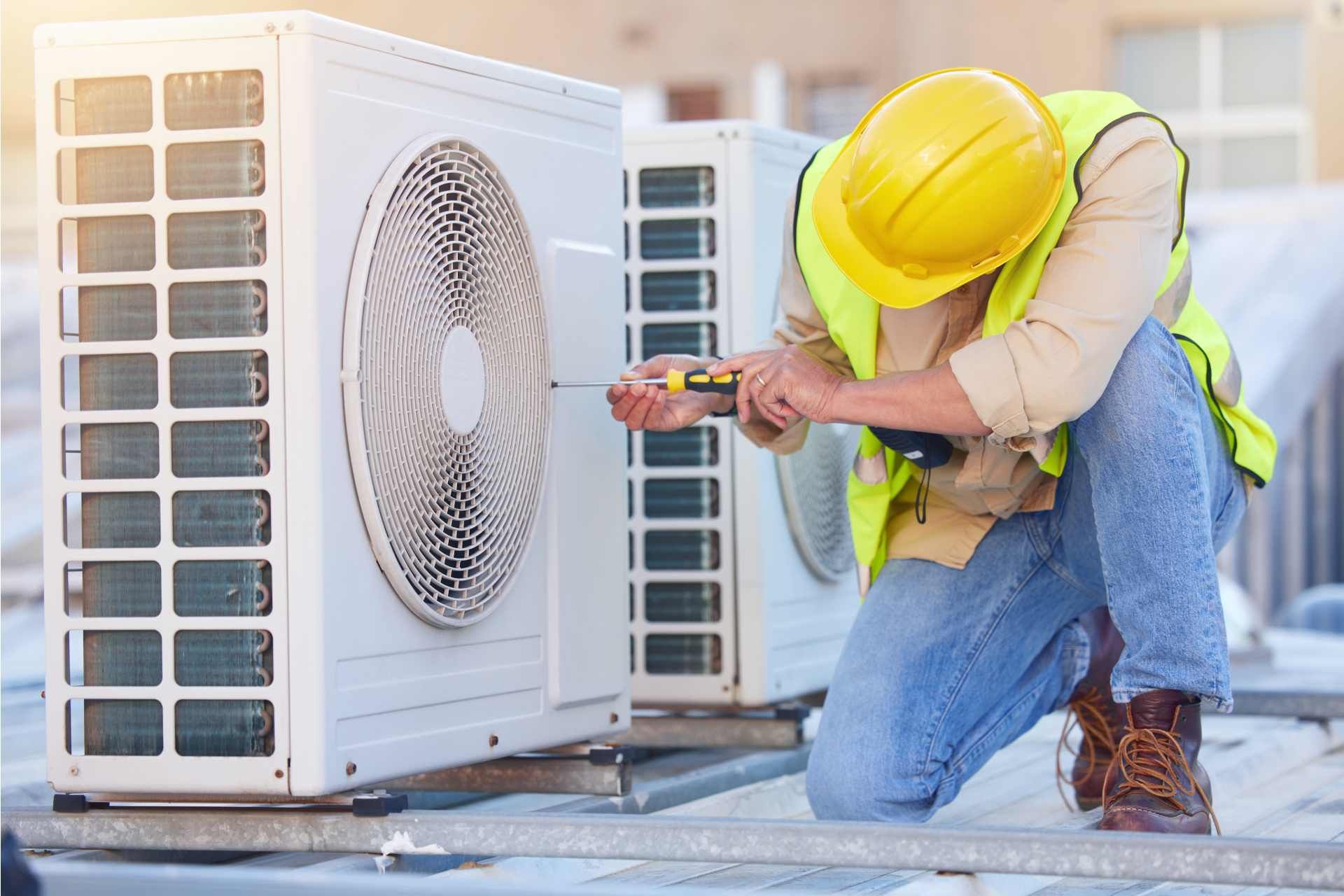
Puddles or dampness around indoor or outdoor units signify severe issues that require DC HVAC repair. It ought to have no water, and there ought to be no refrigerant leaks in the system.
Refrainant leakage reduces efficiency and may damage health and the environment. A water leak can be an indicator of a clogged condensate drain, frozen coils, or other issues that could damage your home.
Washington, D.C. HVAC Service: Your Aging System.
The small problems with old systems tend to conceal bigger problems. HVAC units have a life of 15–20 years with maintenance. If your system is older or showing warning signs, have it inspected now.
Repair is the appropriate option; sometimes, replacement will save money for DC homeowners.
DC HVAC Repair is needed for thermostat problems.
When your thermostat shows incorrect temperatures or fails to respond to changes, it requires professional diagnostics.
In some cases, it is just a thermostat malfunction; in others, it is a communication issue between the thermostat and the HVAC. In any case, set the proper temperature regulation in place.
Unhealthy IAQ in Your Washington DC House.
An allergic reaction, or dust that is excessive or not fresh-smelling, is usually an indication that your HVAC is not cleaning the air. This requires a professional HVAC check-up.
Unclean filters, ducts, or ventilation problems impair indoor air quality and may be detrimental to your family’s health.
Conclusion
Your HVAC is not something to play around with when it is screaming. The above signs are a warning that what might be a small issue today could develop into a crisis if left unaddressed.
Residingyear-round-round implies heating and air conditioning. Avert threats, take action, and save your comfort, wallet, and the safety of your family by ensuring the timely repair of DC HVAC.
For more updates and details, visit our Facebook Page!
Frequently Asked Questions.
What speed of action is needed to address the problem of DC HVAC repair after noticing those signs?
Most warning signs can be addressed by a professional in 24–48 hours. In case of burning odours, gas odours or complete system failure, immediately call the emergency service.
Is it possible for me to diagnose D.C. HVAC issues in Washington, D.C.?
You may notice what’s wrong, but an effective diagnosis requires trained technicians and special equipment. Self-help projects usually make warranties null and pose safety risks.
What will become of me in case I disregard these warning signs?
Their negligence will normally result in the total breakdown of the system, increased repair expenses, potential safety hazards, and suffering in extreme DC weather conditions.
How frequently is Washington, D.C. HVAC maintenance to be provided?
To prevent costly emergencies, professional maintenance should be scheduled twice a year, at the start of the cooling and heating seasons, to identify issues in advance.
Does it have 24/7 emergency DC HVAC repair services?
Reputable DC HVAC firms offer 24/7 emergency service, since heating and cooling issues do not respect business hours.