
HVAC Replacement in Washington
What Is HVAC Replacement?
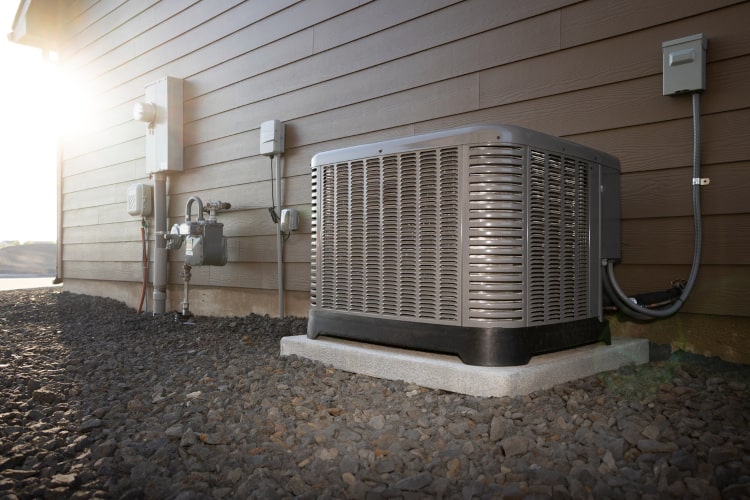
HVAC replacement means substituting your whole heating, ventilation, and air conditioning system or large components of the system rather than fixing the minor components.
Evidence of HVAC replacement
-
Your Power Bills are simply running up
When your utility bills are gradually increasing every new season without any noticeable reason behind, then the system in question is the one that gets tested in order to be in a position to offer at least some comfort. The old systems become inefficient, and the inefficiency is shown in your monthly statements.
-
You Call Too Often to Get Repaired
The service call, which is periodically experienced, is natural. But, when your HVAC consultant is starting to feel a long-standing relative, that is an alarm bell. The cost to repair should not exceed 50 percent of the cost to purchase a new system, so as to make replacement of the damaged equipment cheaper.
-
Uneven Heating or Cooling
One is good, and the other is absolutely deserted? A common symptom of poor air distribution within your system is uneven temperature in and around your home, and thus, your system and ducting or components are either old or something is wrong with your system.
-
Price of replacement DC HVAC in Washington
The cost of a full HVAC Replacement is also different in the DC metro area, as the cost varies according to the size of the house, the kind of system, the energy efficiency, the ductwork condition, and the installation complexity.
What affects the final price?
Home layout and size. A bigger home will require a bigger and higher-capacity system.
- Type of system: All of the systems are of central air, heat pumps, and ductless mini-splits with different price tags.
- The efficiency rating: More efficient systems are costly to install, and they help to save in the long term.
- Ductwork condition: In the event that ducts need repairing or replacing, this will also be an addition to the overall investment.
- DC, Labor, and permits: The standing of Labor and permits has some permitting requirements that can affect the prices of contractors.
You will at least have a real picture of what to expect of your own home, and at least three quotes from a licensed Washington DC HVAC Company.
Benefits of HVAC System Replacement
-
Better Energy Efficiency
The existing systems are very efficient as compared to what was the case a decade ago. Modernizing also means that your house will warm faster and maintain desirable temperatures with the use of less energy, overall.
-
Lower Utility Bills
The higher the efficiency, the higher the savings. Homeowners in DC report that after the replacement, the cost of heating and cooling at least goes down during the first full season after replacement.
-
Improved Indoor Comfort
New systems are more humid, more stable to airflow, and less noisy. It is important when the summer in DC is added to the heat and humidity.
-
Higher Property Value
One of the newest selling points to a property manager and real estate investors is a new HVAC system. Regarding a property, the buyers and the renters take into consideration the age of a system as a criterion; a new system means low maintenance expenses in the future.
-
Fewer Breakdowns
The greatest benefit is peace of mind. The well-grounded manufacturer’s warranty that is introduced with the new system will lead to a significant reduction in the number of emergency calls and failures in the middle of the night.
What occurs during the replacement process?
Step 1: Inspection and estimate
This step entails a technician investigating your current system, family size, ducting, and insulation, and then advising you.
Step 2: The choice of the right system
Your contractor will demonstrate to you efficiency rates, system types, and rebate offers that exist in DC.
Step 3: Installation
The most common residential replacement can be installed in one or two days. The crew gets rid of the old equipment, installs the new system, and connects all the parts.
Step 4: Testing and walkthrough
Technicians will also do a test and walkthrough of the system and will show you through the thermostat settings, filter maintenance, and warranty information, and leave.
Replacement or Repair HVAC: Which is the correct choice?
It would usually be sensible to repair your system when it is within the span of 10 years, and the repair is a straightforward one. The replacement will, however, have more long-term benefits in the case of older systems that require routine or expensive maintenance. It is such that a car one day might spend more money than it is worth repairing it.
Hvac Contractor Washington, DC.
Conclusion
The replacement is definitely worth investing in for the majority of the homeowners in Washington DC who have been living with an inefficient system, with a system that is old. The first cost is factual and hence the subsequent savings, increased comfort. And value addition of the property in the long run. The ruse is to engage the services of an expert contractor who is aware of the special needs of your home and the DC needs. Waiting until your system fails in mid-August. Make the upgrade to your schedule, not the schedule of your HVAC system: Plan, estimate, and upgrade on your schedule.
Stay updated on HVAC tips and special offers in Washington DC by following us on Facebook for exclusive insights.
Frequently Asked Questions
Q1: How long is the replacement of HVAC in Washington, DC?
Most common residential replacements can be completed within one or two days. Depending on the complexity of the installation and any ductwork modifications that might be needed.
Q2: Do you receive any rebates or incentives to get the HVAC replaced in DC?
Yes. The DC residents are allowed to obtain rebates through Pepco, Washington Gas, or even the federal tax credits on energy efficiency when they are replacing their energy systems with high-efficiency systems. Contractor questions to ask before buying.
Q3: What SEER level would I like in a new system?
A good target in the case of DC climate is the SEER2 rating of 15 or higher. High ratings are more effective, and more initial investment is needed. But they can reach the right balance of ratings.
Q4: Do I require my furnace and AC, or is it necessary to change them both?
In most cases, yes. By replacing both simultaneously, the costs of labor are reduced & the correctness of matching the parts is ensured. And the remaining part of the old system does not ruin the performance of the new one.
Q5: What can I do to demonstrate that my ductwork also needs to be replaced, as well?
One of the indicators of problematic ductwork includes uneven temperatures, dust buildup, rattling, and high-energy bills. A good contractor will check your ducts when estimating and repairs or replacement that may be necessary.