
Time for HVAC Replacement
Have problems with your HVAC system keeping your home warm and cool? Knowing when to Time for HVAC Replacement can save you cash and prevent unforeseen breakdowns. As the parts of older systems degrade, they become less efficient. An old system may be expensive to run, as well, because it requires frequent repairs. If you delay, it is possible that you may not have heating or cooling. The timely replacement can increase comfort and lower the costs of service and maintenance. The best choice will be based on the age of the system, its performance, repair history, and energy consumption.
Pay Attention To Your Monthly Electricity Bills for Increases In Costs
Increased energy costs can be an indicator of failing HVL systems. An older system may take longer to get the temperature you want. Longer cycles may lead to higher electricity or fuel usage in the long term. Review the bills from this season vs. previous seasons. Watch for unusual spikes and not significant changes in usage. Check dirty components for similar issues. If maintenance will not improve efficiency, replacement could be considered. A professional inspection will be able to help you determine the true cause.
Look For Uneven Temperatures Around Your House
Are some rooms warmer than others? If the temperatures are not even, it could indicate airflow or equipment issues. The aging systems may have difficulty properly distributing conditioned air. Duct problems can also cause discrepancies between hot and cold. First, inspect the vents and filters in the house. If those areas appear good, ask for a professional inspection. A technician will be able to spot the issues with the equipment or ductwork. If they are still having temperature problems, it may be worth installing newer equipment.
If the Noises Are Unusual, the Equipment Is Likely in Trouble
Your home is not a place for strange noises to be commonplace. Mechanical issues may be evidenced by banging, grinding, rattling, or squealing. There can be simple problems that can be fixed by a technician when loose parts are present. Other noises can indicate severe component wear. Be attentive to new sounds when they all of a sudden come in. Note the time when the noise occurs during operation of the system. We can decide which would be better: repair or replace.
Airflow Can Be Weak and Can Diminish Comfort and Performance
During hot or cold weather, weak airflow can be an issue in rooms. Several issues can lead to blockages in the airflow in your home. Poorly maintained filters can restrict airflow and cause your system to work harder. Worn-out ducts may also decrease airflow between rooms. Other causes of similar symptoms can be a failing blower motor. Cleaning or repair may be required for simple problems. If the airflow continues to be a problem, the underlying issue in the equipment is more serious. A professional inspection can assist in distinguishing between minor and major issues.
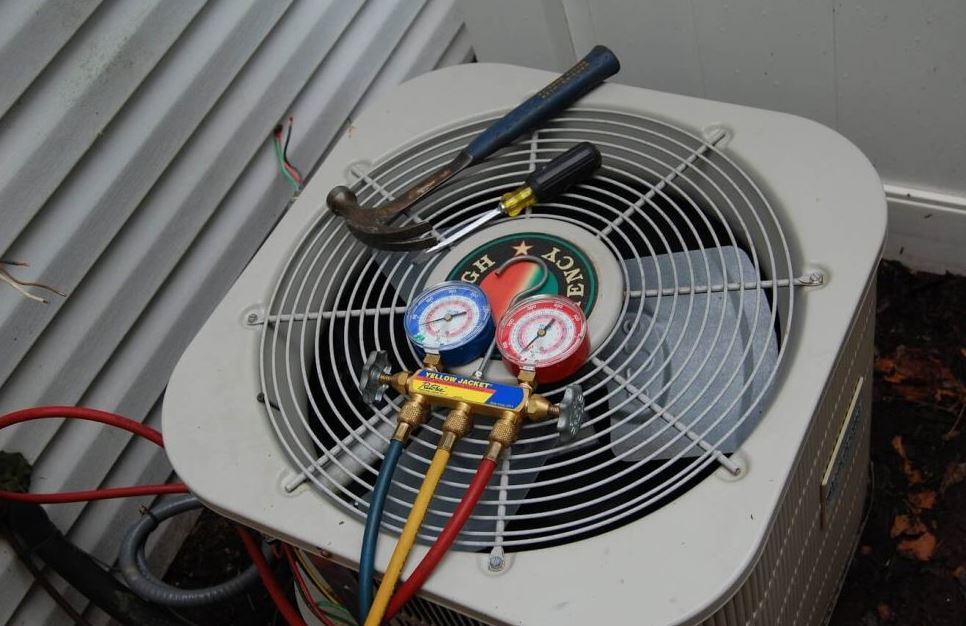
Think About Replacing HVAC Unit Before It Completely Fails
Doing nothing until things fail can cause undue anxiety. When you need emergency replacement, you may not have as much time to shop around. Extreme weather may also cause the temperature to be uncomfortable inside. If you plan, you will have time to research HVAC Replacement vs Repair Washington DC, and make sure you know what kinds of equipment you will choose. Installation costs or the expected efficiency can be compared. Also, you can book work at a convenient time. With multiple warning signs, make sure to plan early.
Hire our professionals for Home HVAC Installation
A new HVAC system should match your home’s size and layout. Having a plan aids in making replacement projects smoother and more predictable. Before installation, check filters, vents, and accessible ductwork. Talk with your contractor about how to heat and cool your house. Comfort and efficiency are still factors in sizing. Our technicians need to assess your home when installing HVAC systems. We also provide information on equipment settings and maintenance. Instruction before installation can be a key factor in performance following installation.
Get New Equipment For Your Home Needs
Your HVAC system should be the same size and style as your home. There’s no direct correlation between comfort and size. Excessive systems can be on the cycle too often and become less efficient. Systems that are too small can become inadequate in extreme weather conditions. If replacing, discuss system sizing before approval. Include information about efficiency ratings and anticipated operating expenses as well. Explain each option in simple terms to your contractor.
When Making Decisions, Consider These Signs:
Replacement may occur before you notice the following indications. However, don’t assume that one problem is always an indicator of needing new equipment. Several problems combined make more evidence. Here are some of the typical warning signs to look for:
- Rising electricity costs
- Frequent repair visits
- Uneven indoor temperatures
- Weak airflow
- Strange operating noises
- Aging equipment
- Poor humidity control
- Repeated system shutdowns
If a number of signs occur at the same time, get a professional assessment. An inspection will help you to see what choices you have.
Bottom lines
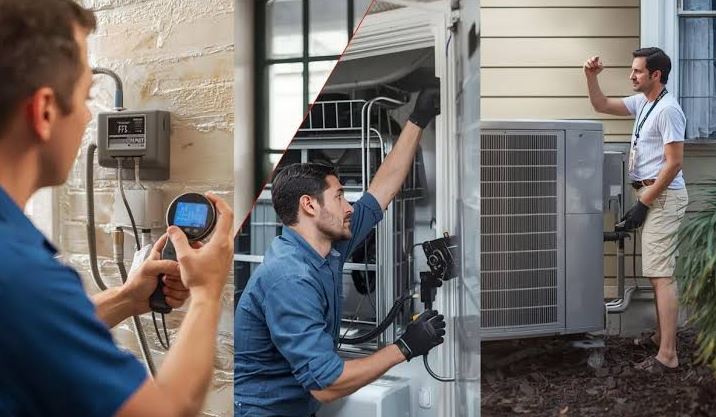
When repair expenses keep going up, the decision to opt for HVAC Replacement can be prudent. Understanding the HVAC Replacement Signs can also help homeowners identify when a system needs attention. It can also be useful for basic comfort issues when your system encounters trouble. If there are frequent breakdowns, then it is a sign of worn-out major components. Consuming high energy can also diminish the value of the largely old gear. Before deciding, make a comparison between the cost of repair and replacement. Also take into account the potential maintenance and energy costs. With careful comparison, you can help to protect your household budget.
Prevent Your HVAC System From Failing—Take Action!
If the warning signs persist, do not wait for total failure. First, have a professional inspection and get clear suggestions. Before deciding, inquire about the cost of repair and replacement. Explore expert guidance on HVAC replacement, energy efficiency, and indoor comfort on Tumblr.
FAQs
How to determine when to replace my HVAC?
Regular service calls, high energy costs, and lack of comfort may indicate replacement. The age of a system can also contribute to the argument for an upgrade.
What is the typical life span of an HVAC system?
With proper care, many systems last for 10-20 years. The lifespan will depend on the equipment, maintenance, climate, and use.
Can a worn-out HVAC system be fixed?
Repairs can be considered if issues are still small and equipment continues to function properly. When large repairs occur on a regular basis, replacement might be more economical.
What are some things I should look at before replacing my HVAC?
Take into account system age, efficiency, previous service experience, comfort issues, and replacement expenses. Equipment sizing is also crucial.
Is there anything else that could postpone replacement of HVAC systems?
Routine maintenance will help wear be minimal and systems to be efficient. Maintenance, however, will not slow down the normal aging or the failure of major components.