
AC Repair for Residential
Is your air conditioner struggling to keep your home cool on those hot days? It’s a dilemma many homeowners grapple with every year. Repair it or invest in an AC replacement? A bad choice becomes an expensive one in time, cash, and comfort. This guide explains when AC Repair for Residential is the right way to go, and when it’s time for replacement. This will prevent you from frequent breakdowns and high energy costs. We’ll depart having given you a better notion of what’s next for you. So, how to tell the differences that may indicate it is time for your system to upgrade?
Discover more about the working of your AC system
Cooling systems remove heat from the indoor air to keep it cool and comfy. It utilises components like the compressor, coils, and refrigerant. If the fairing one breaks, everything else is suffering.” Maintenance, maintenance, keeping everything working. So, if your filters are clean and airflow is adequate, performance will improve. Yet over time, wear and tear can degrade efficiency. By knowing how your system works, you can see early warning signs. Making that distinction also helps you consider repair versus replacement.
When Air Conditioning Repair is All You Need
And not every problem requires a full upgrade. Some minor issues can be fixed relatively rapidly. It is better to have the air conditioning repair in these cases. If your system is still cooling properly but making noise, a repair will solve the problem. These sounds are typically caused by loose parts or worn belts. Fixing them restores normal operation. The thermostat is another common issue. A faulty thermostat may give inaccurate readings. With its change, the system control and comfort increase. Most cases of short cycling can also be addressed. It may be due to dirty filters or restricted airflow. Cleaning and service will solve it in most cases.
Knowing When It Is Time for Your System to Replace
Some problems can be an indicator of bigger issues that repairs won’t fix. All are signs it’s time to upgrade. Too many shut-downs is a warning signal.” You can spend money quickly if your cars require repairs often. At this stage, replacement is more economically prudent. So are sky-high energy bills. As time goes on, older systems become inefficient. Air conditioners running without a refrigerant consume more power to produce inefficient cooling. (Another sign is inconsistent cooling in different rooms.) That generally suggests that your system is struggling to spread air around. It may no longer be suitable for the size of your home.
The Age of Your Cooling System Matters
The average cooling system lasts 10-15 years. After this period, performance drops off dramatically. Older systems have older technology and refrigerant. It is less cost-efficient and more complex to maintain. Palliative care might only provide a momentary relief. Unless your system is older than 10 years, consider more.
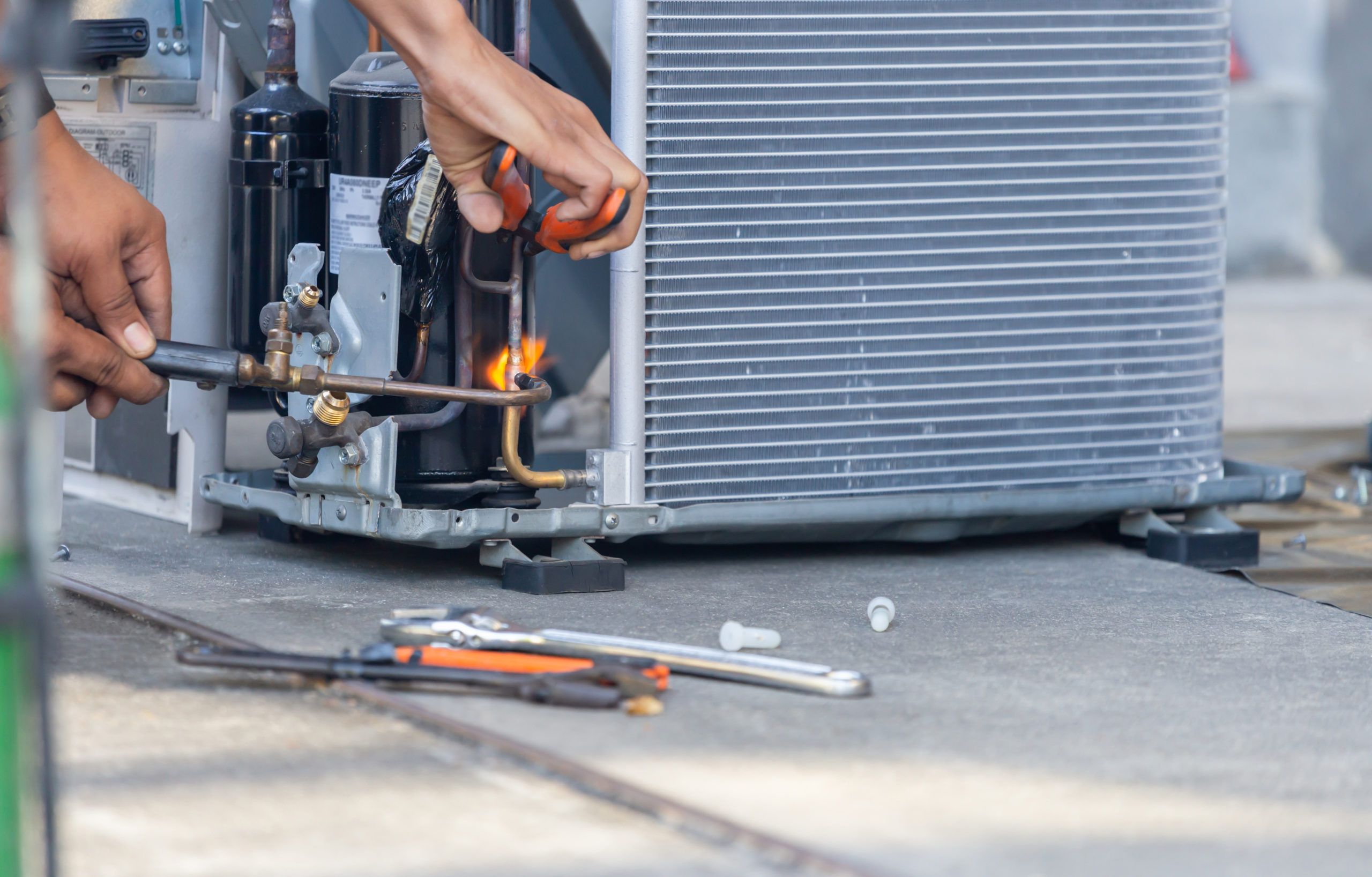
Repair vs Replacement Cost Comparison
Price was an important consideration in your selection.” Shoe repairs may seem less expensive when viewed from afar. Repeated repairs can become expensive over time. A good rule of thumb is to compare the cost of repairs with the replacement value. If replacing your unit costs the same as half repairing it, replacement becomes an efficient option. These new systems offer greater efficiency and lower operating expenses. This allows you to recover your investment over time. You’re doing a little more convenience and dependability than that, too, though.
Performance Benefits and Energy Efficiency
New systems are built so that energy is saved. They also have advanced features to ensure stable temperatures. Such measures reduce both power consumption and utility bills. Climate Strips help keep hot air out of the cabin, and increase airflow to improve cooling performance and rider comfort. Newer units also make less noise than older ones do. Reprovisioning of the legacy system reduces the environmental footprint. It also brings its operations up to contemporary efficiency levels.
Comfort/ Indoor Air Quality
Your cooling system influences indoor air quality. Older systems can kick up dust and allergens. This affects health and comfort. Later systems have better filtration and more perfected humidity control. They help improve air quality conditions, which leads to a healthier environment. In addition, even temperature enhances overall comfort. You don’t have to contend with hot spots or uneven temperatures.
The Right One For Your Home
How to Determine Whether to Restore or Replace: Consider system age, how often repairs have been made, and energy prices. When the system is functioning well with small errors, repair works. But persistent troubles point to deeper concerns. Think about long-term savings and comfort. And over time, a new system will usually provide better bang for your buck. Select what is appropriate for your existence and place of money.
Conclusion
No wonder it can be difficult to know when to repair or replace. But being aware of the signs makes it an easier decision. Otherwise, AC replacement is the answer to this problem, with daily high bills and low air output from your system. A repair can fix minor problems, but something more permanent and comfortable typically requires an upgrade. Just make sure to periodically evaluate your system and take action when the time is right. This ensures reliability and peace of mind with superior Ac Replacement.
Stay updated with expert AC repair and replacement tips—follow us on Facebook for the latest home cooling solutions and energy-saving advice.
Talk to Our Experts
Unsure which cooling system is right for you? Reach out to our experts for open and honest advice today. Receive Your Free Quote Today and more Home Solutions News Here.
FAQs
How do I know if my AC needs replacing or repairing?
If your system breaks down often (and costs go up), then replacement is usually the better alternative.
How long AC system last on average?
With proper maintenance, most systems can last 10 to 15 years.
Can replacing an AC system save on bills?
Why yes, modern systems are more efficient and consume less electricity.
Will doing more repairs frequently ruin my AC system?
Yes, continued issues can lead to wasted components and reduced overall efficiency.
So likely better long-term to replace versus repair?
Replacement is more often the value choice through greater efficiency and reliability.